O Hospital Universitário Bettina Ferro de Souza (HUBFS) oferece ensino, pesquisa e atendimento especializado gratuito em Oftalmologia, Otorrinolaringologia e Pediatria na Região Norte.




O Atlas Brasileiro Online de Doenças Raras é um serviço da Rede Nacional de Doenças Raras. Ele foi criado para disseminar informações sobre epidemiologia, quadro clínico, recursos diagnósticos e terapêuticos usados, e custos relacionados a doenças raras de origem genética e não genética no Brasil.
O Hospital Universitário Bettina Ferro de Souza (HUBFS) oferece ensino, pesquisa e atendimento especializado gratuito em Oftalmologia, Otorrinolaringologia e Pediatria na Região Norte.
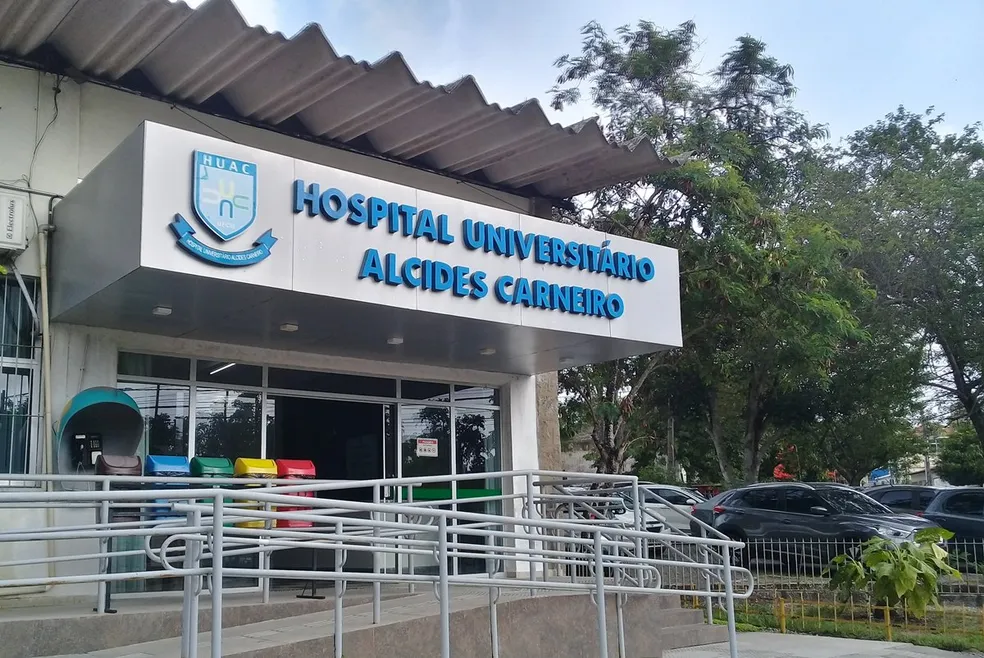
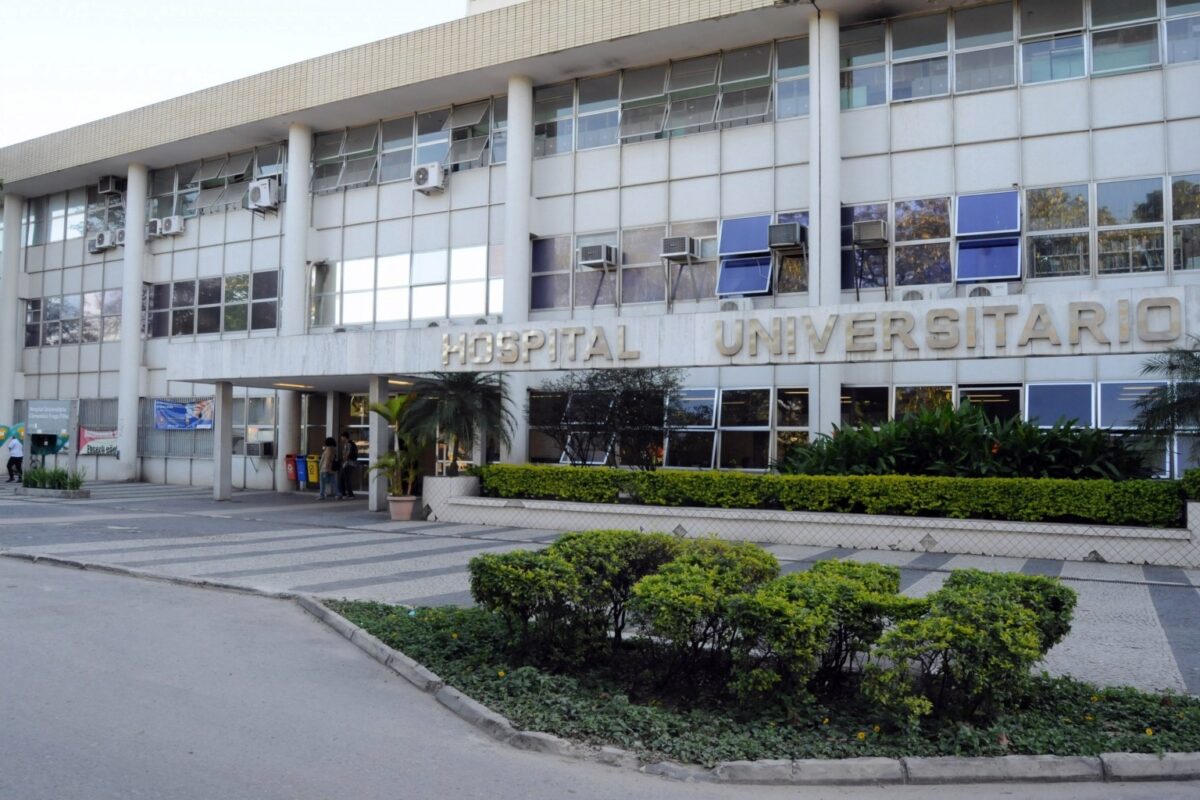
Com a Constituição de 1988, o HRAC passou à UFPB como HUAC, iniciando a transição para hospital universitário. Em 2002, integrou a UFCG, focando em ensino, pesquisa e extensão.
O Serviço de Doenças Raras do DF, habilitado em 2016, oferece triagem neonatal e atendimento multiprofissional. Conta com 19 geneticistas e realiza diagnósticos avançados desde 1989.
A Apae Salvador é uma organização filantrópica que oferece assistência integral a pessoas com deficiência intelectual, com serviços e programas para apoio educacional e profissional.
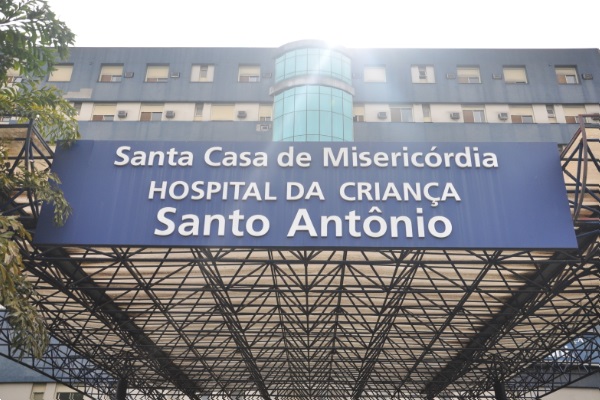
A Santa Casa de Porto Alegre é um complexo moderno de nove hospitais, incluindo o HCSA, referência em pediatria. Atua com UFCSPA em genética médica, atendendo casos complexos.
Inaugurada em 1949 e reformada em 2010, a Maternidade Bárbara Heliodora é parte do complexo materno-infantil no Acre, atendendo a capital e municípios vizinhos.
A Fundhacre, fundada em 1989 em Rio Branco-AC, oferece assistência médica, treinamentos, pesquisa e apoio ao sistema de saúde unificado, com foco em atendimento e educação na saúde
O Complexo HUPES, da UFBA e parte do SUS, é um hospital de ensino em Salvador, referência em média e alta complexidade, mas sem atendimento de emergência.
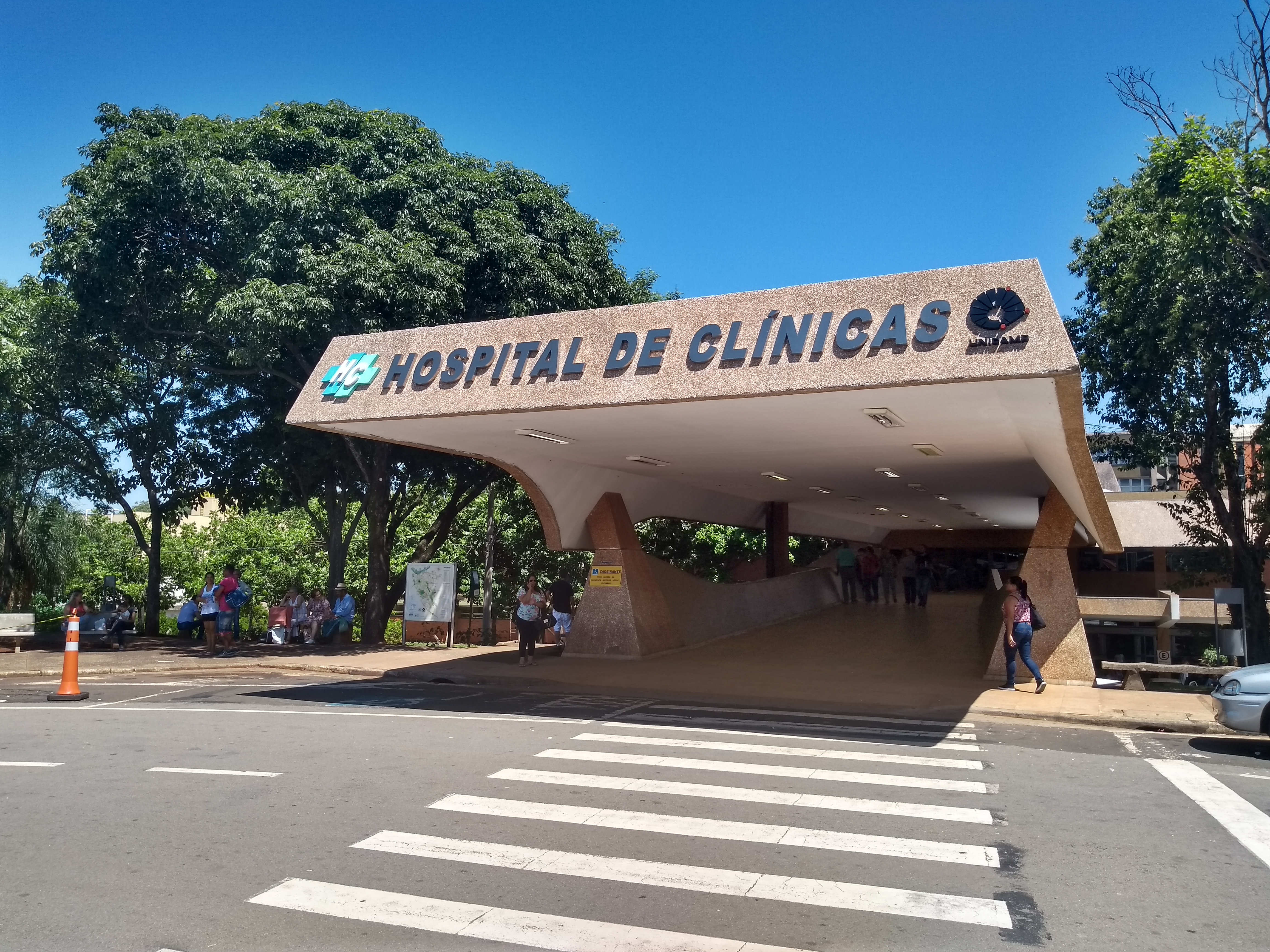
O HC da Unicamp, hospital de alta complexidade 100% SUS, oferece 47 especialidades, com 1.000 atendimentos diários, 40 cirurgias e 5 mil exames, garantindo assistência qualificada.
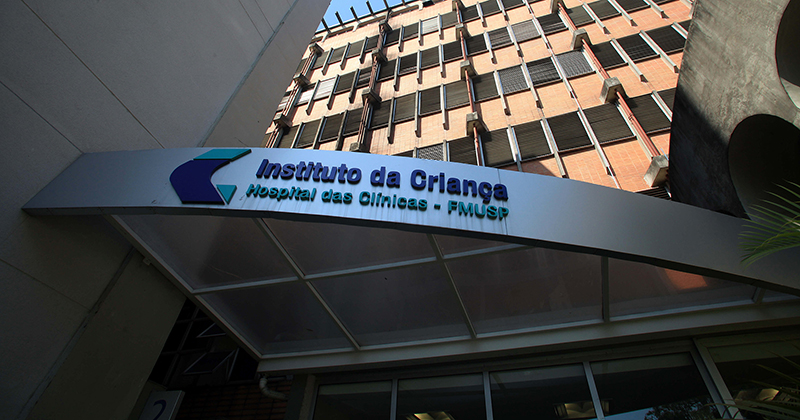
O Instituto da Criança, ligado à FMUSP, atende casos pediátricos complexos com atendimento humanizado. Referência nacional, atende mensalmente 35 mil usuários com especialidades avançadas.
A APAE Anápolis, fundada em 1969, é referência em inclusão e saúde, com destaque no Teste do Pezinho e diagnóstico de doenças raras, atendendo pessoas com deficiência em Goiás.
O HIAS, hospital público do Ceará, realiza 650 internações, 20 mil consultas e 350 cirurgias mensais. Em expansão para 40 mil m², busca melhorar sua capacidade de atendimento.
O HUJM, único hospital federal em Mato Grosso, atende a Baixada Cuiabana e foi pioneiro no tratamento de HIV nos anos 80, oferecendo atendimento inclusivo e humanizado.
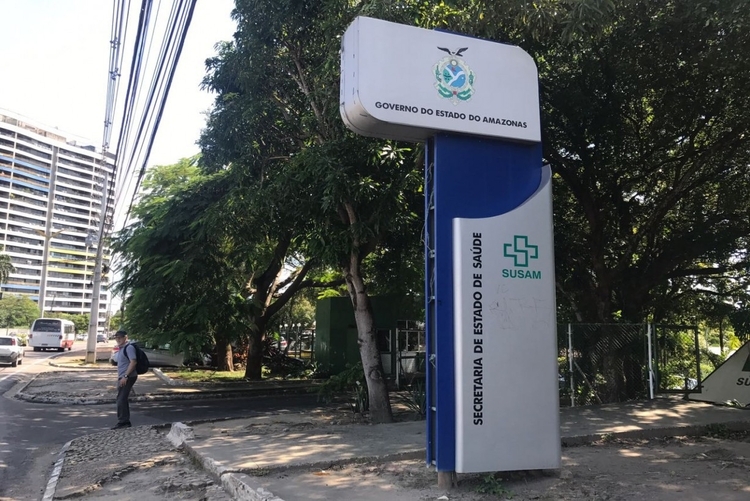
A Policlínica Codajás, fundada em 1984, atende hoje mais de 2 mil pessoas diariamente em mais de 30 especialidades e procedimentos de baixa e média complexidade pelo SUS.
O HCPA é uma instituição publica e universitária vinculada academicamente a Universidade Federal do RS. É um hospital majoritariamente SUS com forte vocação em assistência, ensino e pesquisa.
A Santa Casa de Vitória oferece atendimento único no ES para Angioedema Hereditário pelo SUS, com equipe especializada e projetos de ensino, pesquisa e autocuidado para pacientes.
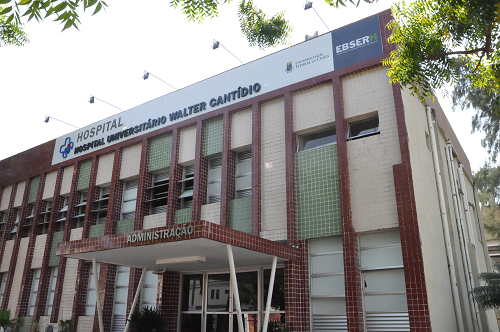
O Hospital Universitário Lauro Wanderley integra a Rede Ebserh desde 2013, atendendo SUS e formando profissionais de saúde com foco em pesquisa e inovação, sob gestão do MEC.
O IFF/Fiocruz, fundado em 1924, é um instituto de assistência, ensino e pesquisa em saúde para mulheres, crianças e adolescentes, apoiando ações nacionais do Ministério da Saúde.
A APAE/CG, fundada em 1967, é uma instituição filantrópica que promove ações para melhorar a qualidade de vida de pessoas com deficiência nas áreas de saúde, educação e assistência social.
O Hospital Pequeno Príncipe é o maior hospital pediátrico do Brasil e referência mundial em diagnóstico e tratamento infantil. Fundado em 1919, destaca-se por ensino, pesquisa e excelência em pediatria.
O Centro Universitário FMABC, fundado como Faculdade de Medicina do ABC em 1969, é mantido pela Fundação do ABC e atua como instituição filantrópica em saúde, educação e assistência social no ABC Paulista.
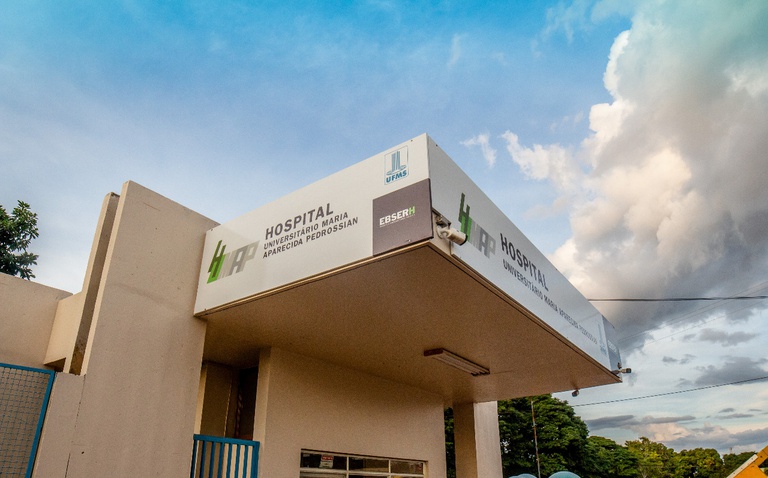
O HUMAP-UFMS, completou 50 anos em 2025, é referência em alta complexidade pelo SUS. Desde 2013, é administrado pela Ebserh, apoiando ensino e assistência em saúde.
Serviço de Atenção Especializada em Doenças Raras (SAEDR), situado no Ambulatório Docente e Assistencial da Escola Bahiana de Medicina e Saúde Pública (EBMSP).
O Hospital São Paulo é o hospital de ensino da Universidade Federal de São Paulo, e conta com dois locais de atendimento para doenças genéticas: o Centro de Genética Médica e o Centro de Referência em Erros Inatos do Metabolismo.
Inaugurado em 1950, o HUPE é o hospital-escola da UERJ, focado em ensino e pesquisa médica. Inicialmente dedicado à clínica e raridades, tornou-se referência acadêmica.
O HUCFF, da UFRJ, com 110.000 m², integra assistência, ensino e pesquisa em saúde pública. Conta com 3.513 profissionais e é referência em ciência e atendimento multidisciplinar.
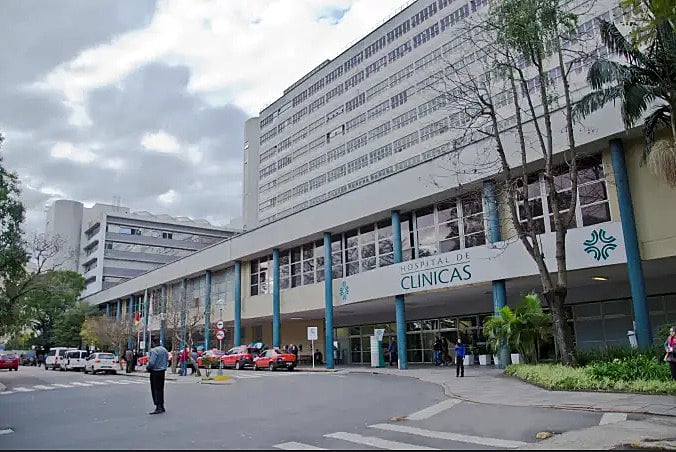
Fundado em 1956, o Hospital das Clínicas é referência nacional e internacional em saúde, promovendo inovações científicas e contribuindo para o desenvolvimento regional.
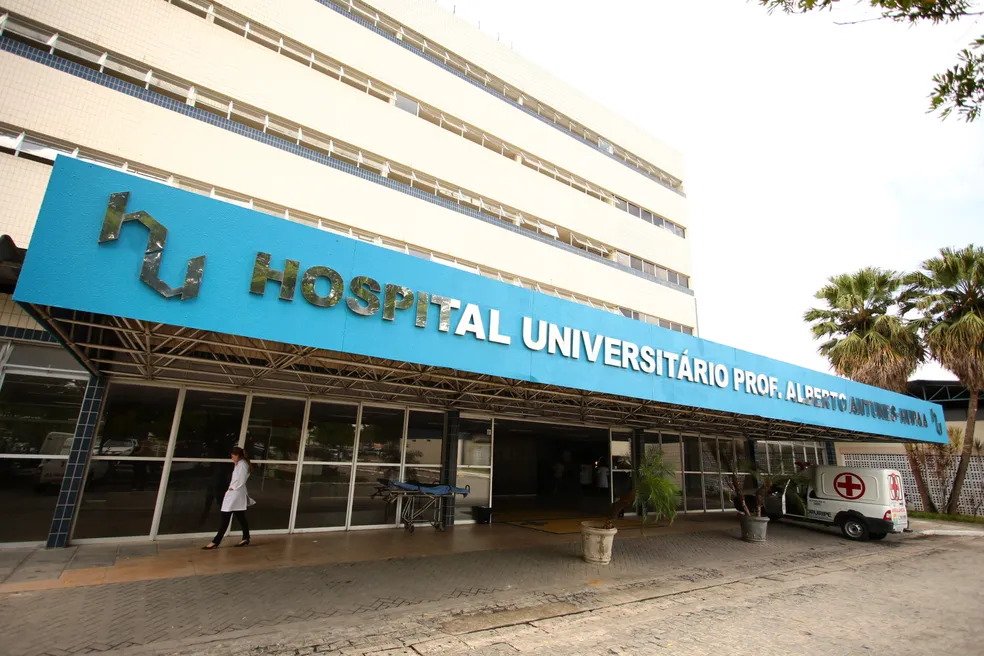
Fundado em 1959, o HUWC, da UFC, é um hospital-escola focado em ensino, pesquisa e assistência terciária gratuita via SUS, com 212 consultórios e diversas especialidades.
O Hospital Universitário da UEL, único de grande porte no norte do Paraná, é referência no SUS e oferece residência em várias áreas, além de estágios para cursos de saúde e administração.
O HIJG, inaugurado em 1979 em SC, é referência em pediatria na América Latina. Substituiu o pioneiro HIEGR, mantendo e ampliando serviços e ensino pediátrico com excelência.
O Hospital Geral Dr. César Cals (HGCC) é uma unidade terciária de alta complexidade, referência em Ginecologia e Obstetrícia, Clínica Médica, Clínica Cirúrgica e Neonatologia. É o hospital mais antigo da rede pública da Secretaria da Saúde.
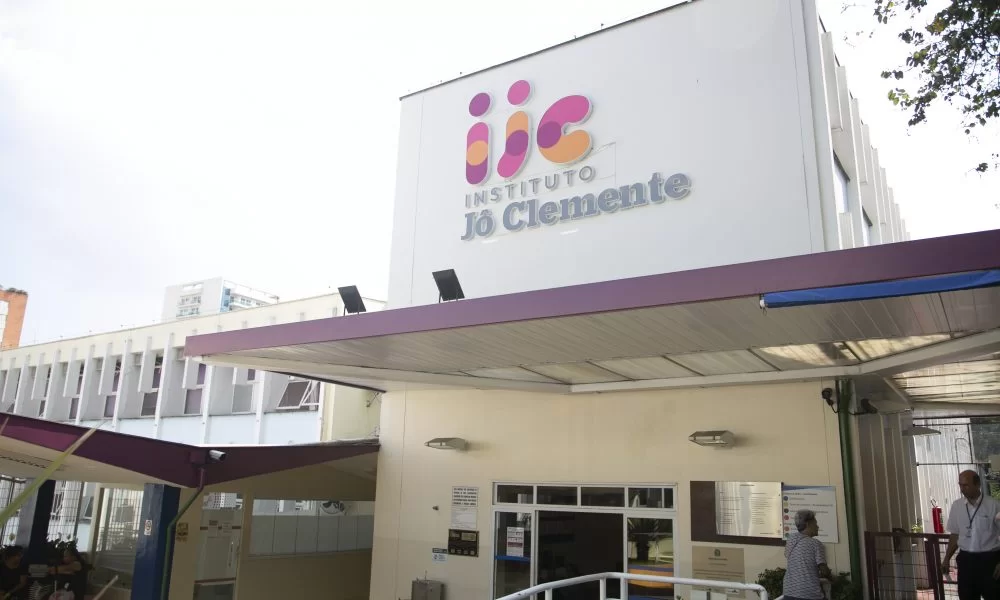
O Instituto Jô Clemente promove inclusão e autonomia de pessoas com Deficiência Intelectual e TEA, oferecendo suporte vitalício. Pioneiro no Teste do Pezinho, é referência nacional.
O Serviço de Referência em Doenças Raras do HU-UFJF/Ebserh proporciona atendimento médico especializado multidisciplinar ao usuário, buscando a excelência na assistência integral da pessoa com doença rara e seus familiares.
O Serviço de Genética Clínica do HUPAA/UFAL foi instituído em 2004. Desde sua origem é totalmente regulado pelo SUS, sendo a mais abrangente fonte de informações sobre doenças genéticas comuns e raras de Alagoas.
O IMIP é uma instituição filantrópica 100% SUS com 60 anos de história, promovendo saúde integral, educação e ações sociais com parcerias nacionais e internacionais e excelência clínica.
O Hospital Maria Lucinda, filantrópico desde 1944, cuida da população pernambucana com excelência. Administra sete UPAs e dois hospitais, oferecendo atendimento humanizado e seguro.
Este formulário tem como objetivo coletar informações detalhadas sobre a sua associação, permitindo-nos ampliar sua visibilidade e fortalecer sua rede de contatos. Com os dados fornecidos, poderemos divulgar sua atuação no portal e nas redes sociais da Rede RARAS e do INRaras, conectando sua iniciativa a um público mais amplo e potencializando o impacto de suas ações.

As doenças raras podem ser definidas como aquelas que afetam até 65 pessoas em cada 100 mil, ou seja, 1,3 pessoas para cada 2.000 indivíduos. No Brasil, estima-se que cerca de treze milhões de pessoas possuem alguma doença rara.
Após coletar, armazenar, processar e analisar os dados provenientes do projeto Rede Nacional de Doenças Raras, produzimos e publicamos estudos científicos para revistas e conferências científicas nacionais e internacionais.
Portanto, bem-vindo(a) a nossa lista de publicações. Essas publicações científicas representam um esforço contínuo para o entendimento e a explicação de fenômenos na área das doenças raras.
Esses esforços visam fornecer subsídios úteis e relevantes para a tomada de decisão baseadas em evidências no campo das doenças raras. Corroborando assim para o cumprimento dos objetivos gerais e específicos deste projeto.
Homocistinúria Clássica: Dados da Jornada Assistencial da Rede Nacional de Doenças Raras
Mariana Lopes dos Santos, Bibiana Mello de Oliveira, Milena Artifon, Ney Boa Sorte, Ana Maria Martins, Carlos Eduardo Steiner, Maria Denise Fernandes Carvalho de Andrade, Marcelo Nita, Ida Vanessa Doederlein Schwartz, Têmis Maria Félix
Criança com Defeito Congênito
maria teresinha de oliveira cardoso, MARA SANTOS CORDOBA
CAPITULO 1 DA SEÇÃO 15 DE GENETICA CLINICA DO TRATADO DE PEDIATRIA/SOCIEDADE BRASILEIRA DE PEDIATTRIA ,; VOL 1, 3ª EDIÇÃO .EDITORA MANOLE,2014 caracterizando os principais defeitos congenitos ;uma orientação para o exame fisico dismorfologico nda criança
Jornada Assistencial De Valor: Comparação Da Qualidade De Vida, Perda De Produtividade Do Cuidador E Satisfação Em Pessoas Com Homocistinúria, Mps Ii, Angioedema Hereditário, Osteogenese Imperfecta E Sindrome De Prader-Willi
NEY CRISTIAN AMARAL BOA SORTE, CAMILA FERREIRA RAMOS, et al.
Para quaisquer dúvidas, comentários, problemas técnicos e sugestões relacionadas ao Atlas Brasileiro Online de Doenças Raras, entre em contato conosco através do formulário abaixo ou do nosso e-mail de suporte a qualquer momento: suporte@raras.org.br
Para maior comodidade, também é possível preencher nosso formulário de contato online. Preencha o formulário a seguir com suas informações e sua mensagem. Nossa equipe responderá assim que possível.
Valorizamos todos os comentários, sugestões e feedbacks. Eles nos auxiliam no processo de melhoria contínua de nosso Atlas Brasileiro Online de Doenças Raras. Compartilhe sua experiência conosco a qualquer momento.

Ministério da Saúde do Brasil

Conselho Nacional de Desenvolvimento Científico e Tecnológico

Departamento de Ciência e Tecnologia
Monitored by

Em breve entraremos em contato.
Lamentamos o ocorrido, por favor tente novamente.